Get Residential Roof Replacement
Residential roof replacement services help property owners address damaged, aging, or leaking roofs through projects involving removal and installation of new roofing materials.
If you're considering a residential roof replacement, you're in the right place to start exploring your options. Property owners in the area often evaluate roof replacement to enhance curb appeal, improve energy efficiency, or address aging and weather-related wear. Planning such projects involves comparing local contractors who specialize in residential roofing, ensuring that the work aligns with the specific needs of your property and neighborhood. Staying informed about available services can help you make confident decisions as you prepare for this important upgrade.
Finding the right service provider begins with understanding the local options available. Many property owners take the time to research and compare contractors who can deliver quality work tailored to residential properties. By exploring these local professionals, you can gather the information needed to select a team that best fits your project goals. Continue reading to discover how to connect with experienced service providers who can handle your roof replacement with expertise and care.
- Residential Roof Replacement - When a roof has sustained extensive damage or aging that cannot be repaired effectively.
- Shingle Roof Replacement - If shingles are curling, missing, or severely worn, prompting a need for a full replacement.
- Tile Roof Replacement - When tile roofs are cracked, broken, or showing signs of deterioration that compromise their integrity.
- Flat Roof Replacement - For flat roofs experiencing leaks, ponding water, or persistent wear that require a new installation.
- Asphalt Roof Replacement - When asphalt roofing materials have reached the end of their lifespan or are experiencing extensive damage.
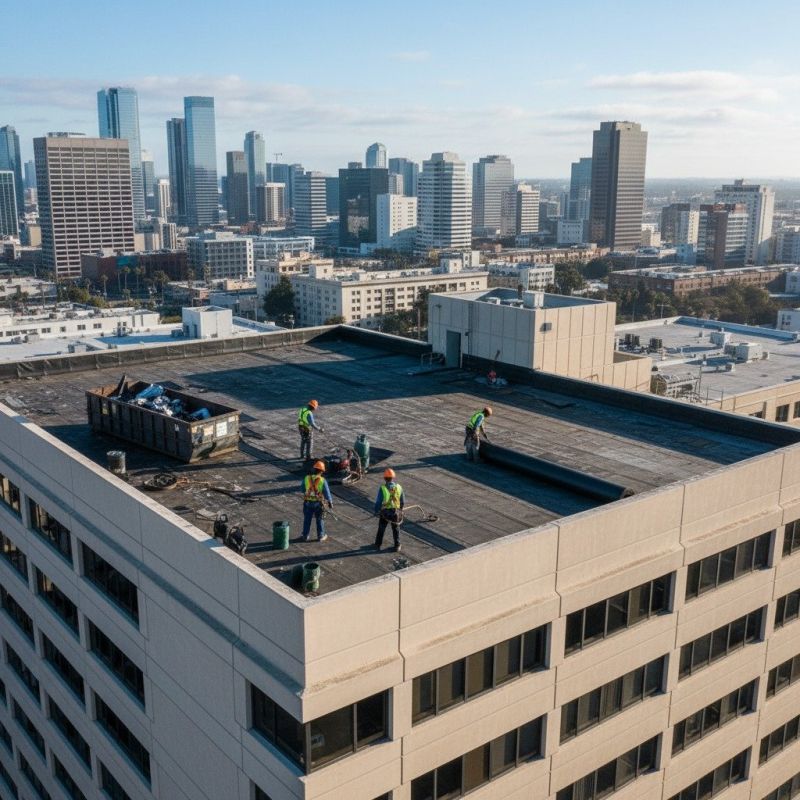
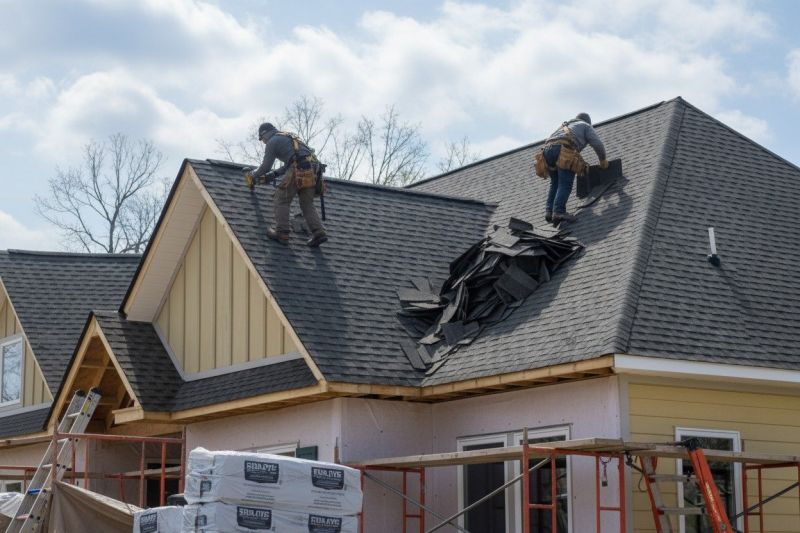
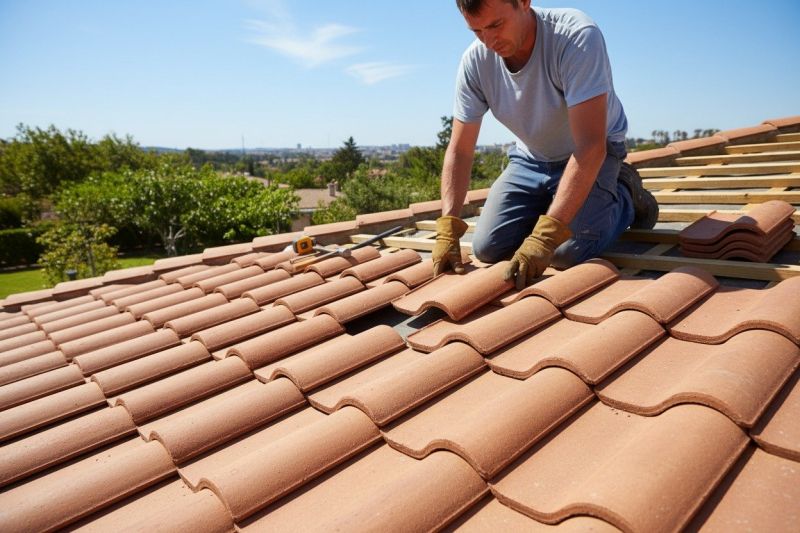
Residential roof replacement services involve removing an existing roof and installing a new one to ensure the property remains protected from the elements. This process typically includes inspecting the current roof, removing damaged or aged materials, repairing underlying structures if needed, and applying new roofing materials such as asphalt shingles, metal, or other options. The goal is to provide a durable and reliable roof that enhances the home's safety, appearance, and long-term performance.
This service helps address common problems like extensive shingle damage, persistent leaks, widespread wear from weather exposure, or structural issues caused by age or storm damage. When a roof begins to show signs of deterioration-such as curling, missing shingles, or water stains-residential roof replacement is often the most effective solution. Replacing an aging roof can prevent further damage to the home’s interior, improve energy efficiency, and increase overall property value.
Properties that typically require roof replacement include single-family homes, townhouses, and small multi-family residences. Homes with roofs that are several decades old or have experienced severe weather events are prime candidates for replacement. Additionally, properties with multiple layers of roofing or those that have undergone previous repairs may need a new roof to ensure structural integrity and peace of mind. A professional assessment can help determine if a full replacement is necessary.
Homeowners considering a roof replacement should look for signs of significant damage or aging, such as frequent leaks, visible sagging, or extensive shingle deterioration. If repairs no longer seem sufficient to maintain the roof’s integrity, or if the roof has reached the end of its expected lifespan, contacting local contractors for an evaluation is a practical step. These service providers can help determine the best course of action to protect the home and ensure a reliable, long-lasting roof.
The overview below groups typical Residential Roof Replacement projects into broad ranges so you can see how smaller, mid-sized, and larger jobs often compare in your area.
In many markets, a large share of routine jobs stays in the lower and middle ranges, while only a smaller percentage of projects moves into the highest bands when the work is more complex or site conditions are harder than average.
Smaller Repairs - typical costs for minor roof repairs usually range from $250 to $600. Most routine fixes, such as replacing shingles or sealing leaks, fall within this band. Fewer projects tend to push into the higher end of this range.
Partial Roof Replacement - replacing a section of a roof or addressing specific areas generally costs between $1,000 and $3,500. Many homeowners find their projects land in this middle range, though larger or more complex partial replacements can cost more.
Full Roof Replacement - complete roof replacements typically range from $5,000 to $15,000. Larger, more intricate projects involving high-end materials can exceed this range, but most fall within this typical band.
High-End or Complex Projects - larger or more complex roof replacements, such as those with premium materials or difficult access, can reach $20,000 or more. These projects are less common and usually involve specialized requirements or extensive work.
Actual totals will depend on details like access to the work area, the scope of the project, and the materials selected, so use these as general starting points rather than exact figures.
Gutter Replacement - this project involves planning and installing systems that protect roofs and foundations, requiring similar skills in roofing materials and safety protocols.
Attic Insulation Installation - installing insulation involves understanding roof structures and planning for energy efficiency, paralleling the preparation needed for roof replacements.
Siding Replacement - replacing siding requires knowledge of building exteriors and weatherproofing, which complements the skills used in roof replacement projects.
Skylight Installation - installing skylights involves roofing penetrations and waterproofing techniques similar to those used in roof replacements.
Roof Repair Services - repairing damaged roofs shares techniques and planning considerations with full roof replacements, focusing on durability and weather resistance.
Chimney Flashing Replacement - this work involves sealing roof penetrations and ensuring waterproofing, aligning with the skills needed for comprehensive roof replacement projects.
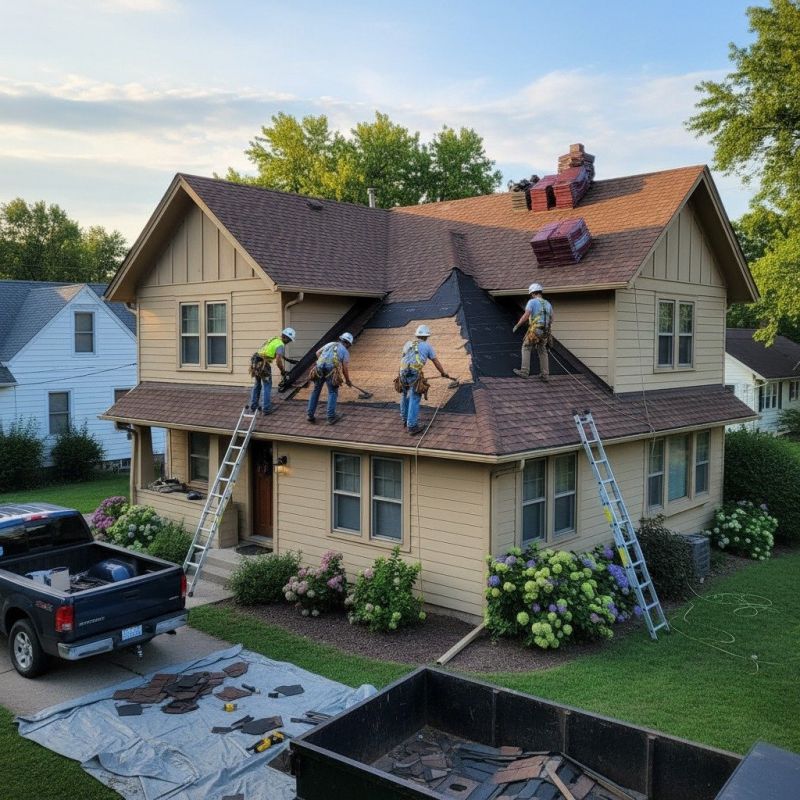
When evaluating local contractors for residential roof replacement, it’s important to consider their experience with similar projects. Homeowners should seek out service providers who have a proven track record of completing roof replacements comparable in size and style to their own home. An experienced contractor is more likely to understand the nuances of different roofing materials, installation techniques, and common challenges, which can contribute to a smoother process and a durable result. By reviewing the backgrounds of potential service providers, homeowners can gain confidence that the pros they consider are familiar with the specific requirements of residential roof replacements.
Clear, written expectations are essential when choosing a local contractor for a roof replacement. Homeowners should look for service providers who can provide detailed proposals that outline the scope of work, materials to be used, and any relevant warranties or guarantees. Having a comprehensive written plan helps ensure that both parties are aligned on the project’s goals and reduces the risk of misunderstandings. It’s also advisable to ask for documentation that explains the process step-by-step, so homeowners know what to expect from start to finish and can compare different proposals effectively.
Reputable references and good communication are key indicators of a trustworthy service provider. Homeowners are encouraged to ask prospective local pros for references from past clients who had similar work done. Contacting these references can provide insights into the contractor’s reliability, quality of work, and professionalism. Additionally, service providers who communicate clearly and promptly can make the project experience more transparent and less stressful. Open lines of communication allow homeowners to ask questions, express concerns, and stay informed throughout the process. The goal is to find local contractors who are responsive and transparent, helping to ensure a positive roofing experience.
Property owners use Residential Roof Replacement services for practical projects around their homes and businesses. This guide focuses on everyday jobs and straightforward project options.
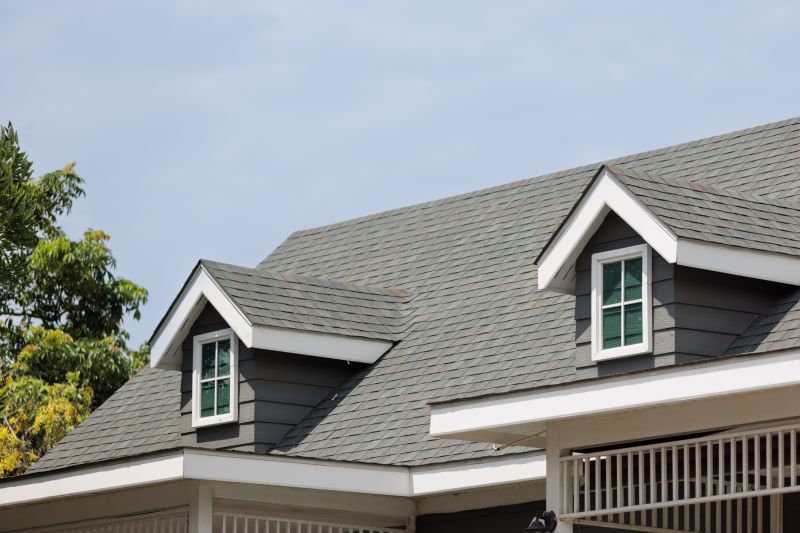
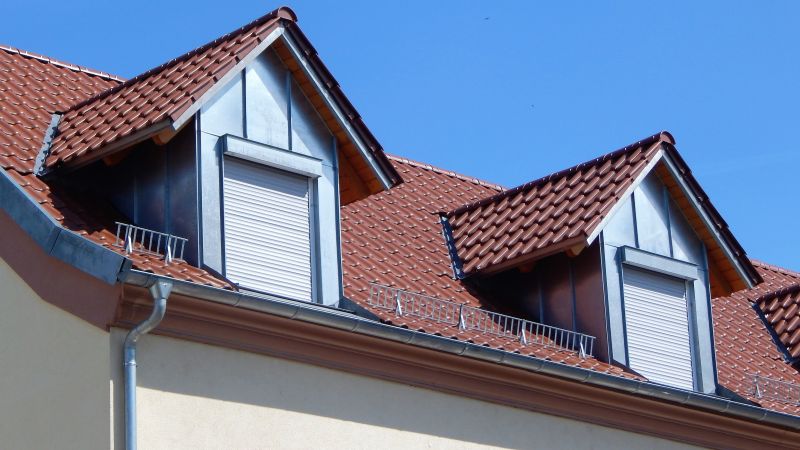
Residential roof replacement is often needed when property owners notice signs of aging or damage, such as leaks, missing shingles, or extensive wear. Many homeowners seek out local contractors to evaluate their roofs after storms or harsh weather, or when inspecting for potential issues during routine maintenance. These projects are common in neighborhoods where roofs have been in place for several years and may no longer provide adequate protection or curb appeal.
Property owners might also look for roof replacement services when planning updates or renovations to improve the overall appearance of their home. Others consider it a necessary step after discovering ongoing leaks or structural concerns that could compromise the integrity of the building. Local contractors who specialize in residential roof replacement can help address these everyday situations, providing solutions tailored to the specific needs of each property.
What are the signs that a roof needs to be replaced? Indicators include missing or damaged shingles, persistent leaks, visible sagging, and extensive wear or aging of roofing materials.
How do local contractors handle residential roof replacements? They typically assess the condition of the existing roof, recommend suitable materials, and perform the replacement process following industry standards.
Can a roof replacement improve the energy efficiency of a home? Yes, installing a new roof with proper insulation and modern materials can help enhance energy efficiency and reduce utility costs.
What types of roofing materials are commonly used for replacements? Common options include asphalt shingles, metal roofing, tile, and cedar shakes, depending on the homeowner's preferences and local building codes.
How can I find local service providers for roof replacement? This site can connect homeowners with experienced local contractors who specialize in residential roof replacement services.
Assessing Roof Damage - Property owners can use this service to identify when their roof needs repairs or replacement after severe weather or visible wear.
Upgrading for Better Insulation - Homeowners might consider a roof replacement to improve energy efficiency and reduce heating and cooling costs.
Enhancing Curb Appeal - Replacing an aging roof can refresh the appearance of a home, making it more attractive for resale or personal enjoyment.
Preparing for Storm Season - Property owners can work with local contractors to ensure their roofs are sturdy and ready to withstand upcoming weather challenges.
If you are thinking about Residential Roof Replacement for a property, this guide is meant to help you understand the work, the typical project types, and how different options might fit your plans.
When you are ready, you can use the quote form on this page to share a few details about your project. From there, local pros can review the basics and respond with options that match what you have in mind.